

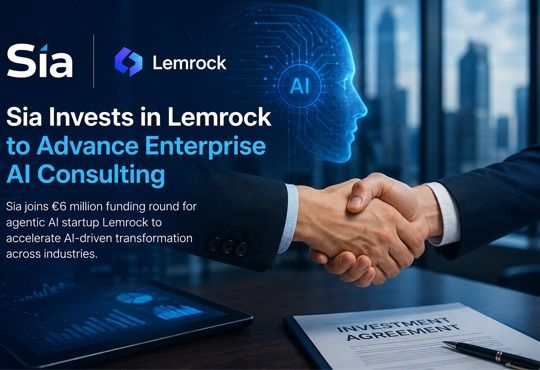
Global consulting firm Sia has strengthened its commitment to artificial...

India's leading technology consulting company, HCLTech, has secured a landmark $1.14 billion strategic partnership with a Europe-based Fortune Global 50...

Global management consulting firm McKinsey & Company has announced one of the most significant governance reforms in its nearly 100-year history by...

CrossCountry Consulting has announced the acquisition of Dupont Circle Solutions, a move that significantly strengthens its Salesforce implementation and digital transformation practice.

Australia is considering one of its most significant regulatory overhauls for the consulting and professional services sector in recent years. The proposed reforms, announced by the federal government, aim to strengthen corporate governance

Global automation consulting firm Roboyo has announced the acquisition of...

Australia is moving toward one of its most significant regulatory reviews of...
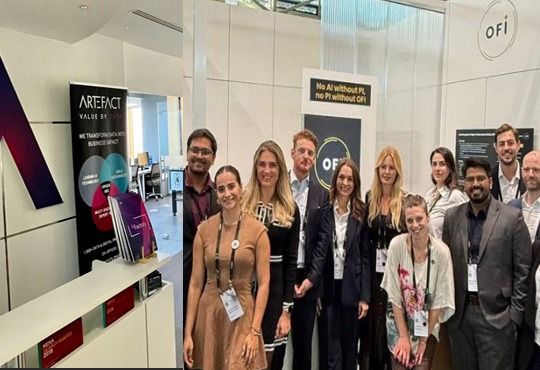
Global data and artificial intelligence consulting firm Artefact has...

Global organizational consulting firm Korn Ferry has announced a definitive agreement to acquire UK-based AMS from OMERS Private Equity in a move that significantly reshapes the global talent and organizational consulting market.
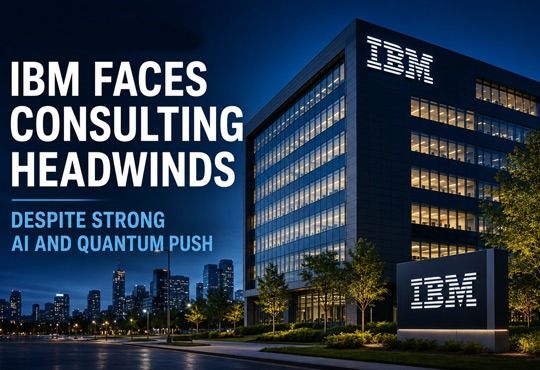
IBM is intensifying its investments in artificial intelligence and quantum computing, but the technology giant is encountering slower growth in its consulting business as enterprise customers remain cautious about discretionary technology spen
We use cookies to ensure you get the best experience on our website. Read more...